
Why Watch Care Matters
A mechanical watch is a small, precision-engineered machine with dozens of moving parts running under constant tension. Treat it well and it will last generations, which is exactly why so many vintage Omegas and Rolexes from the 1950s and 60s are still running perfectly today. Neglect it, and the same watch can develop problems that are expensive and sometimes impossible to fully correct: dried-out lubricant accelerating wear on the movement, a failed gasket letting moisture destroy a dial, or a hard knock bending a pivot that then throws the whole movement out of alignment. Most of what follows costs nothing and takes minutes, it's simply a matter of knowing what protects a watch versus what's just habit.
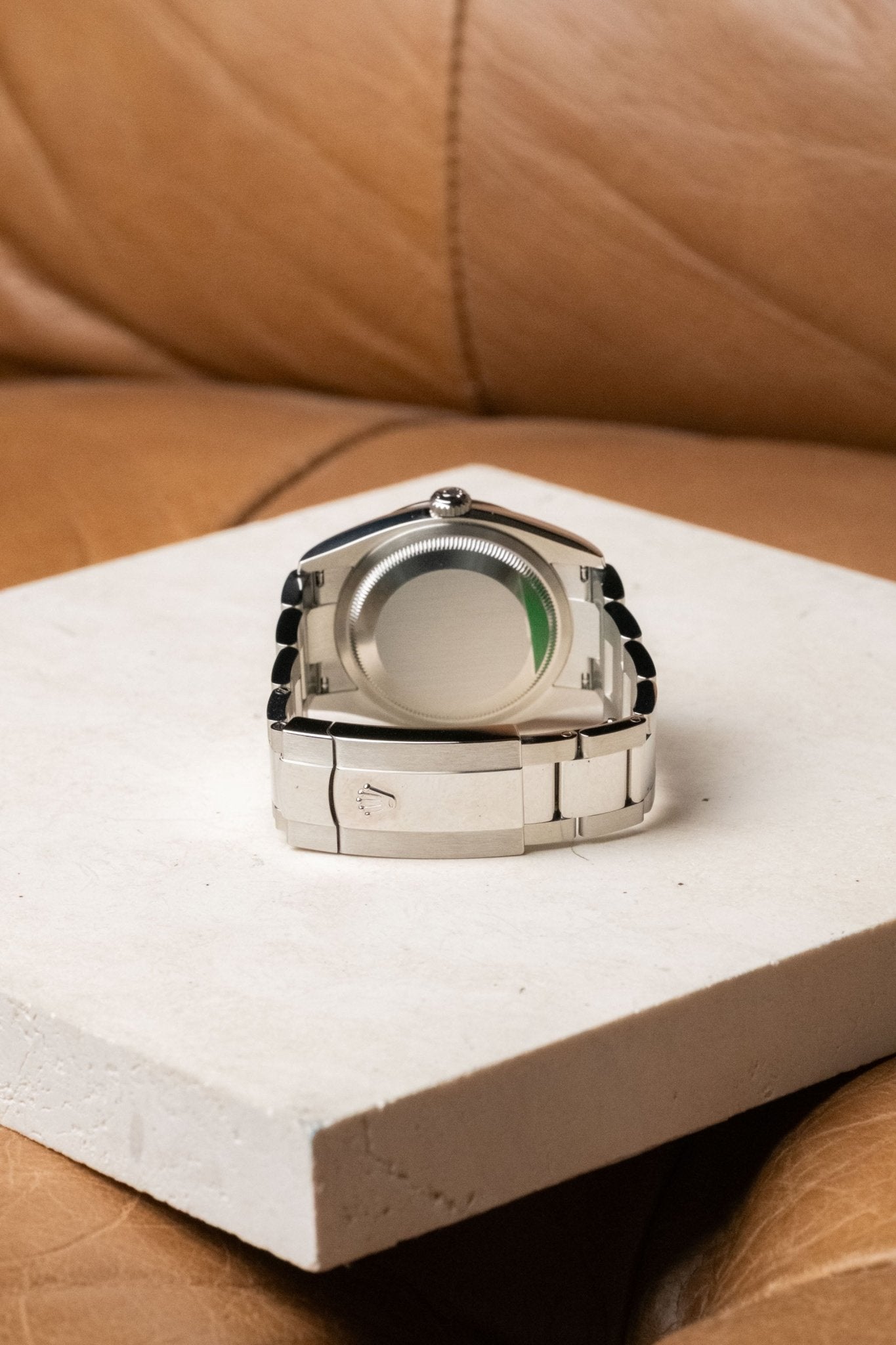
2022 Datejust 36 Black Diamond Dial
Daily Care: The Basics Every Owner Should Know
Good watch care is about consistency rather than effort. A handful of simple habits, done regularly, can do more for a watch's long-term health than any single deep clean or repair.
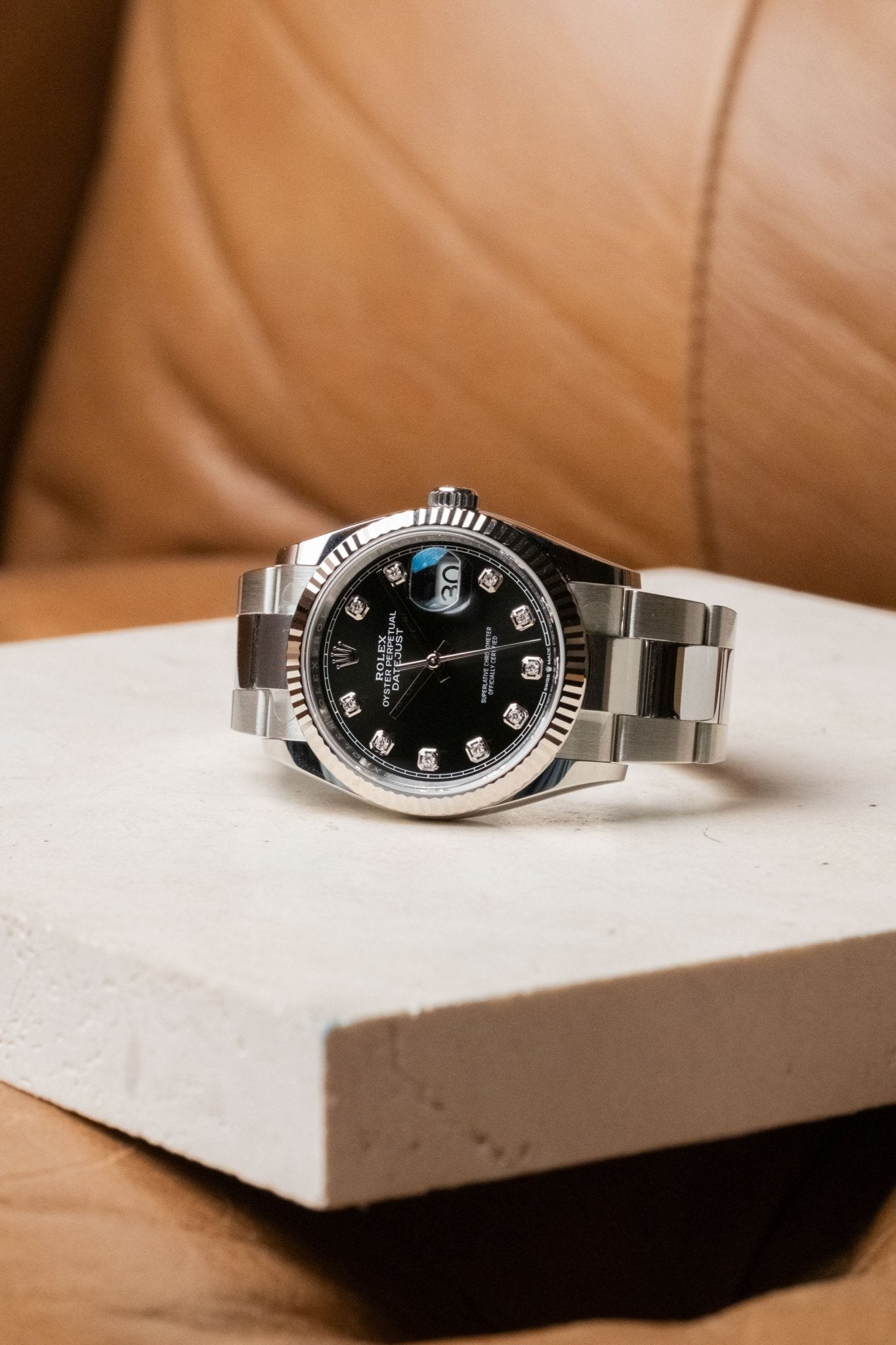
2022 Datejust 36 Black Diamond Dial
Cleaning your watch (case, bracelet, crystal)
Wipe Case and Crystal
Wipe the case and crystal with a soft, lint-free cloth after wearing, especially after exposure to sweat, sunscreen or salt water.
Use Soft-Brislted
For metal bracelets, use a soft-bristled brush (an old, clean toothbrush works well) with lukewarm water and a small amount of mild soap to clear dust and skin oils from between the links.
Rinse
Rinse the bracelet briefly under clean water if soap is used, then dry thoroughly with a soft cloth before wearing again.
Avoid Ultrasonic
Avoid ultrasonic cleaners at home. They're excellent tools in a watchmaker's hands but can loosen gaskets or dislodge stones if used incorrectly.
Don't Use Chemical
Never use household chemical cleaners, solvents or abrasive cloths on the case, crystal or bracelet.
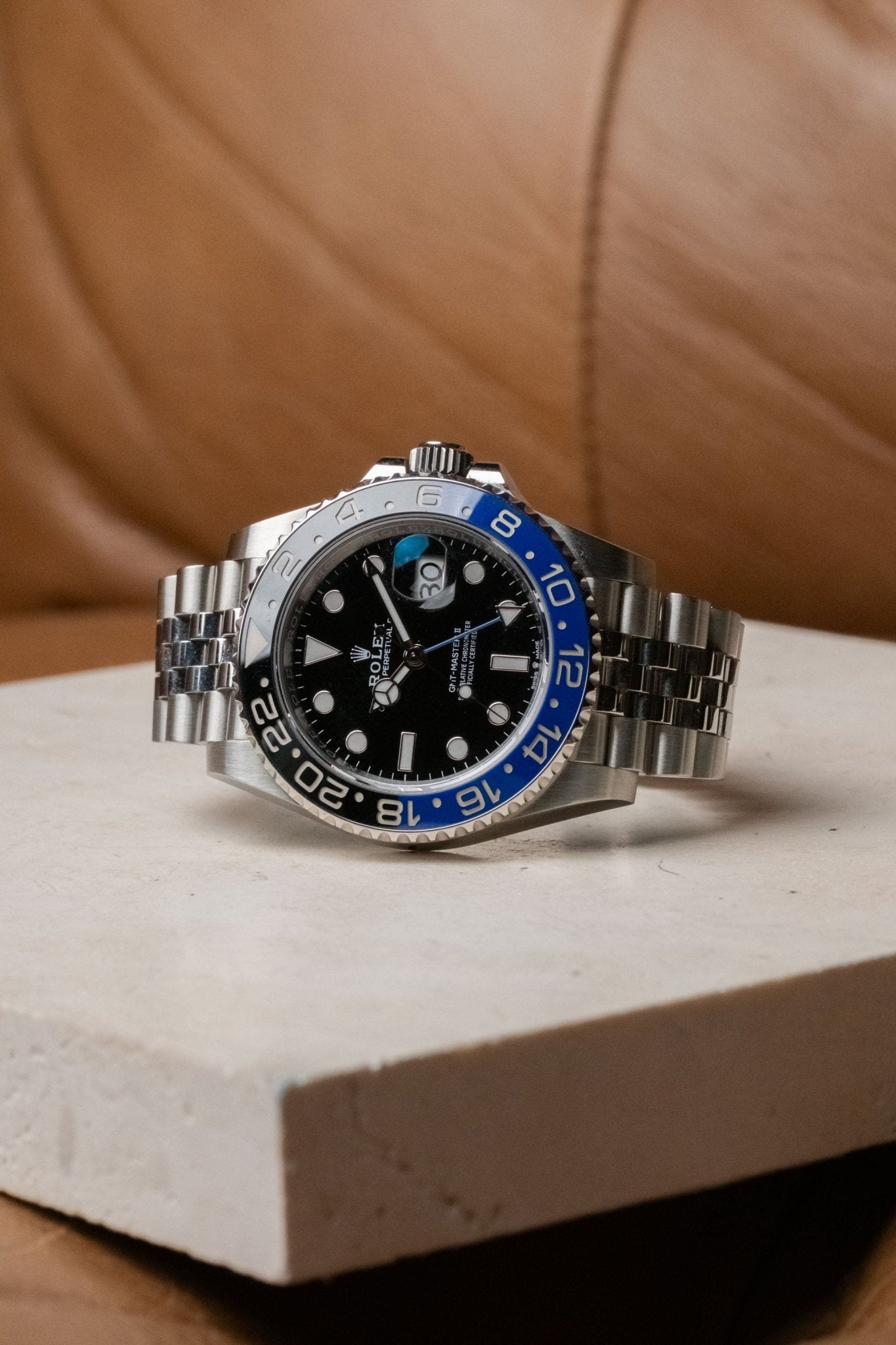
Water resistance: what '100m' actually means
Water resistance ratings describe pressure tested in a lab under static conditions, not real-world conditions. A watch rated to 100m is generally fine for showering or swimming (though we don't recommend hot showers, as temperature changes can stress gaskets), but it isn't rated for diving. A 30m or 50m rating only means "splash resistant," not shower-safe. Gaskets also degrade with age and temperature, which is why a watch that was 100m water resistant when new, may no longer be after several years without a service. If in doubt, have water resistance pressure-tested before swimming with an older watch.
Avoiding magnetism, shocks, and chemicals
Modern life is full of strong magnets — phone speakers, laptop lids, fridge magnets, handbag clasps — and mechanical movements can pick up magnetism from close, prolonged contact, causing a watch to suddenly run fast or stop keeping accurate time altogether. It's rarely permanent damage, but it does need a watchmaker's demagnetiser to fix. Beyond magnetism, avoid hard knocks where possible (take the watch off for sport or heavy manual work), and keep it away from perfume, sunscreen and household chemicals, which can degrade gaskets and, in some cases, dull or discolour a dial over time.
Servicing Your Luxury Watch
Servicing is the single most important thing you can do for a mechanical watch, and it's also the part owners most often put off. In our experience, watches that come in for regular servicing rarely need anything beyond routine maintenance. It's the watches that go a decade or more without attention that tend to need expensive repairs. You can book a service with us at any time.
How often should I service my watch?
Most mechanical luxury watches need a full service every 5–7 years under normal wear, regardless of brand. Manufacturers' own recommendations vary slightly. Rolex generally suggests a 10-year interval for newer models, while many independent watchmakers recommend closer to every 5 years for older or heavily worn pieces, since lubricants dry out and wear accelerates well before a movement shows obvious symptoms.
What happens during a watch service?
A full service means the movement is completely disassembled. Every component is cleaned, worn parts are replaced, everything is re-lubricated and reassembled. The watches are then regulated and pressure-tested for water resistance before it goes back to the owner. It typically takes anywhere from one to several weeks depending on the movement's complexity and whether parts need to be sourced.
How much does a luxury watch service cost in Australia?
Rolex servicing in Australia typically costs between AU$700 to 1,400 depending on the model and whether parts are needed. Whereas Omega servicing generally runs from AU$500 to 900. Simpler mechanical watches from other brands can come in below this range, and more complicated movements (chronographs, perpetual calendars) above it. As a rule, complexity and part cost will push the price up.
Signs your watch needs servicing
- The watch is losing or gaining more than a few seconds a day compared to when it was new.
- The power reserve feels noticeably shorter than it used to on a full wind.
- You notice moisture, fogging, or condensation under the crystal.
- The crown feels gritty, stiff, or doesn't wind smoothly.
- It's been more than 5–7 years since the last full service, even if nothing feels wrong.
Storage: When You're Not Wearing It
How a watch is stored matters as much as how it's worn, particularly for anyone with more than one piece in rotation.
Watch winders: do you actually need one?
A watch winder is useful for automatic watches with a calendar complication that's fiddly to reset, or for pieces you wear infrequently but want ready to go at any time — but it isn't a necessity for most owners. If you wear a watch at least every few days, simply winding and resetting it by hand takes moments and causes no harm. Where a winder does help is avoiding the small inconvenience of resetting the date and time on watches with awkward quick-set mechanisms.
Long-term storage tips for vintage and modern watches
Store watches in a stable, moderate-temperature environment away from direct sunlight, which can fade dials and lume over time, a watch box or the original case is ideal. Avoid damp areas like bathroom cabinets since humidity is a leading cause of movement corrosion, and in Melbourne's humid summer months in particular, a drawer or wardrobe away from external walls tends to hold a more stable environment than anywhere near a window. For vintage pieces especially, occasional wear is better for long-term health than years of untouched storage, as lubricants and gaskets benefit from the movement running rather than sitting static.
Special Care for Vintage Watches
Why vintage needs different handling
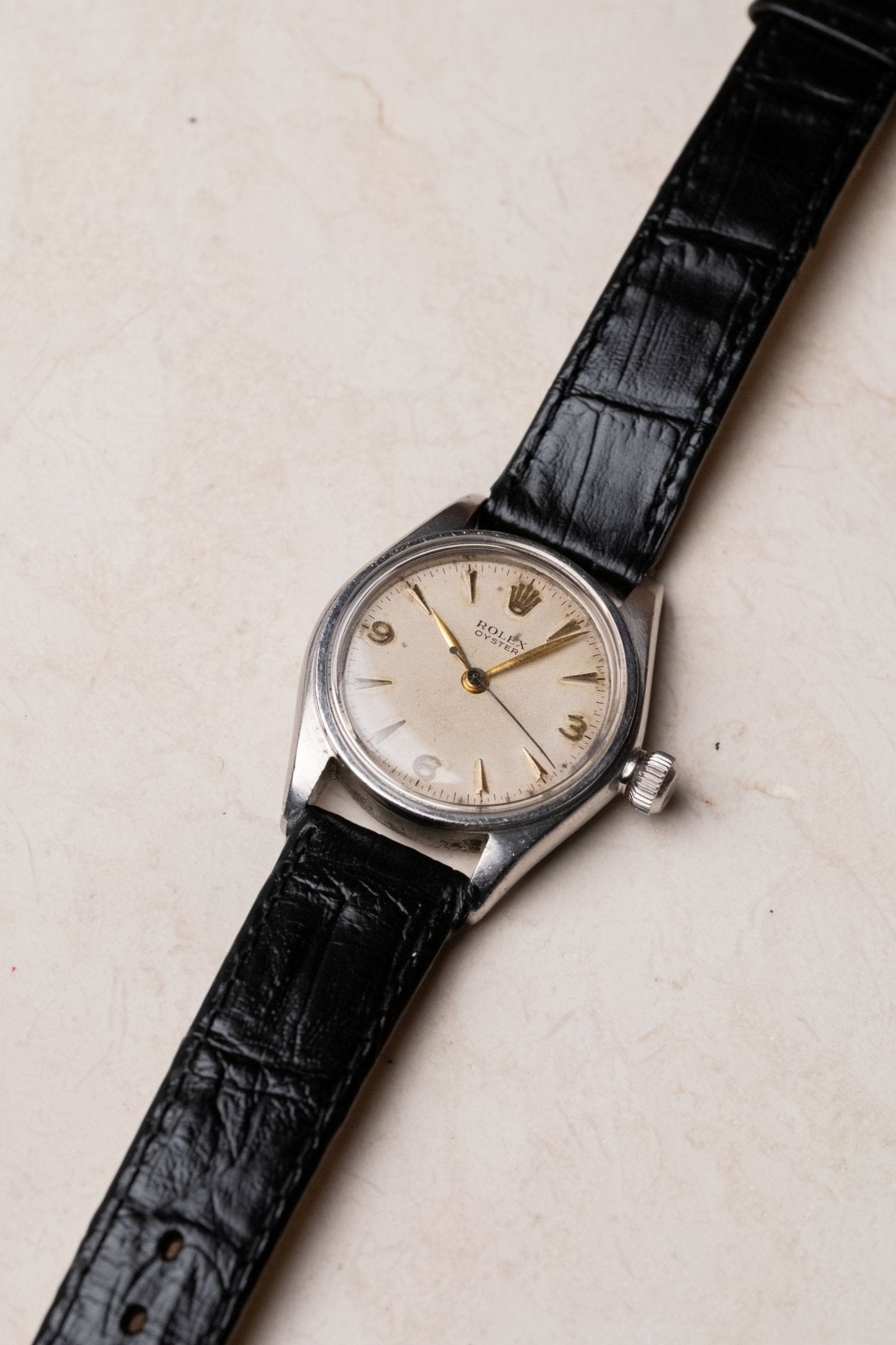
Vintage watches deserve a gentler approach across the board. Older gaskets, seals and lubricants are more fragile and less predictable than their modern equivalents, so we generally advise treating any vintage watch as far less water resistant than its original rating suggests regardless of what the case back says. Original dials, hands and lume plots are also part of a vintage watch's value and character. The most common issue we see is well-meaning owners over-polishing a case or replacing an original dial, both of which can meaningfully reduce a watch's value. When in doubt with anything vintage, have it assessed before cleaning, adjusting or servicing rather than after.
Common Mistakes That Damage Luxury Watches
1. Setting the date or day near midnight. Most movements have the date-change mechanism engaged between roughly 9pm and 3am, and forcing a quick-set during this window can damage the internal gears.
2. Prolonged exposure to magnets. Phone speakers, laptops and handbag clasps left in close contact for extended periods can magnetise a movement and throw off its accuracy.
3. Ignoring gasket wear. Gaskets harden and shrink with age, and a watch that was once genuinely water resistant can quietly stop being so without any visible sign.
4. Adjusting the crown or bezel with wet or sandy hands after swimming, which can force moisture and grit past the seals.
5. Delaying a service until something goes wrong, rather than servicing on a fixed interval. By the time a fault is visible, wear has usually already occurred elsewhere in the movement.
When to Take It to a Professional
Some things are safe to handle yourself like cleaning, gentle bracelet adjustment, basic winding and setting. Anything involving the case back, movement, or water resistance testing should go to a qualified watchmaker. If your watch is running inaccurately, has visible moisture under the crystal, feels different when winding or setting, or simply hasn't been serviced in 5–7 years, it's time to have it looked at. You're welcome to bring it into our Melbourne showroom for an in-person assessment, and if a watch is genuinely beyond economical repair, our sell-a-watch page outlines how a trade-in can work instead.
Frequently Asked Questions
How often should I service my Rolex?
Rolex generally recommends a full service roughly every 10 years for modern models, though we often suggest closer to every 5–7 years for watches worn daily or that are more than a decade old. Regular servicing catches minor wear before it becomes a costly repair.
Can I shower with my luxury watch?
If your watch is rated 100m water resistance or higher, a normal shower is generally fine, though we'd still avoid very hot water, which can stress gaskets over time. For watches rated 30–50m, or any watch that hasn't had its water resistance tested recently, it's safer to take it off first.
What is a watch winder and do I need one?
A watch winder is a motorised box that keeps an automatic watch wound and running when it's not being worn. It's useful for calendar watches with fiddly quick-set functions or pieces worn infrequently, but it isn't essential if you wear a watch every few days and don't mind resetting it by hand.
How do I clean my watch bracelet?
Use a soft-bristled brush with lukewarm water and a small amount of mild soap to clear dust and oils from between the links, then rinse briefly and dry thoroughly with a soft cloth. Avoid household chemical cleaners and at-home ultrasonic cleaners, which can loosen gaskets if used incorrectly.
Will servicing affect my watch's value?
A service performed correctly, with genuine or correct replacement parts, generally protects or even supports a watch's value by keeping it running accurately and preventing further wear. What can reduce value is incorrect servicing — non-original parts, over-polishing a case, or a poorly documented repair history — which is why choosing a qualified watchmaker matters.